Contractor Knowledge Base
Pricing Guides for
Trade Professionals
Straight-talk articles on job pricing, overhead, taxes, and business math — written for contractors who want to understand exactly what they're earning on every job.

Advertisement
Featured
How to Quote a Price for a Job
Most contractors underprice their work because they only think about the obvious costs. This guide walks through all 6 components of a correct job price — labor, materials, overhead, drive time, taxes, and profit margin — with a step-by-step example calculation you can apply to any trade job today.
Read the full guide

BLS PPI Release Day: Which Open Contractor Quotes to Reprice Before Lunch
BLS just published PPI. Which open quotes to refresh today when copper, steel, or aluminum moved, and how to re-run the job before you resend.
Read article

Seasonal Snow Contract or Per Push? How to Choose (and Pass Through Salt and Diesel)
Seasonal snow contract or per push? How shops decide which form pays, plus salt and diesel pass-through language so a rough winter doesn't wipe the margin.
Read article

How Much to Charge for a Furnace Tune-Up (and Whether the $89 Special Pays)
Furnace tune-up cost from the contractor side: time a real visit, price it in the calculator, and check whether your $89 special or maintenance plan pays.
Read article

Pricing a Commercial Gas Water Heater Replacement: Condensing vs Non-Condensing
How to quote a commercial gas water heater after the Oct 6, 2026 DOE rule: condensing vs non-condensing, venting and condensate costs, and a worked example.
Read article

How Much to Charge for a Sprinkler Blowout
How to price sprinkler blowouts and sprinkler winterization: compressor cost, drive time, minimum charge, and worked examples for solo and two-person crews.
Read article

How Much to Charge for Leaf Removal (and Fall Cleanups)
How to price leaf cleanup and leaf removal jobs: minimum charge, disposal fees, wet-leaf trap, and when a multi-visit fall program beats a one-time visit.
Read article
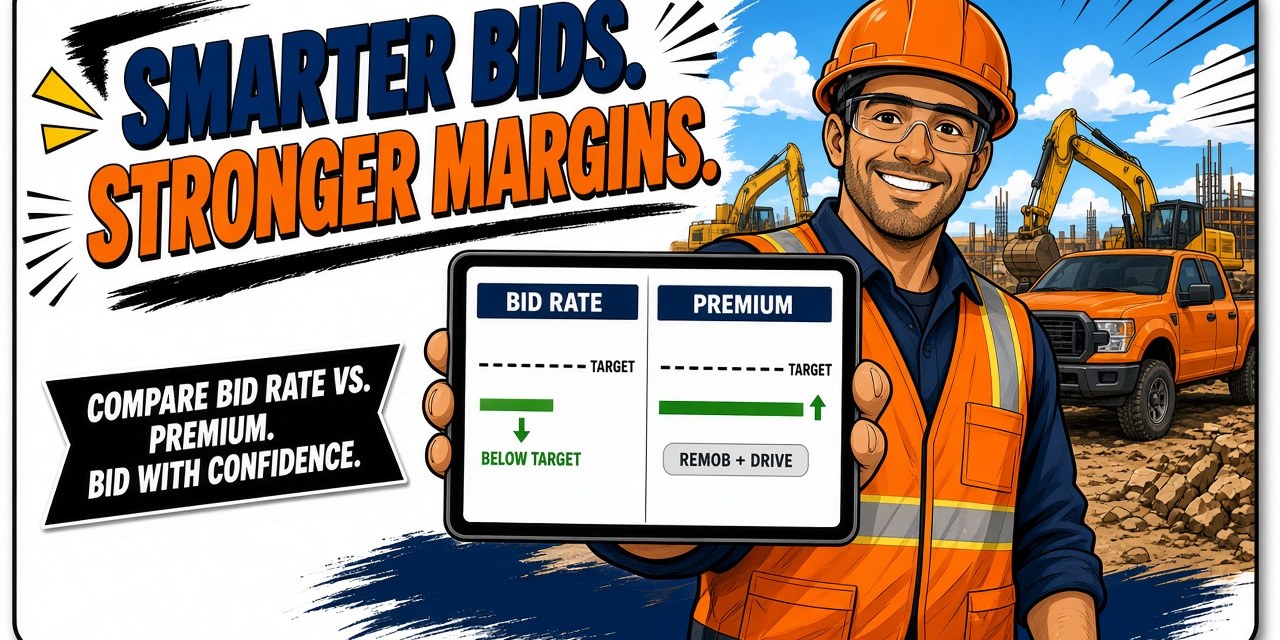
Should a Change Order Cost More Than the Bid Rate?
Same hours mid-job are not the same as the bid — remobilization and schedule hits eat margin unless the change order carries a premium.
Read article

Should You Waive the Diagnostic Fee?
If you credit the diagnostic when they approve the repair, check whether that hour still hits margin — or you just gave away the only profitable hour.
Read article
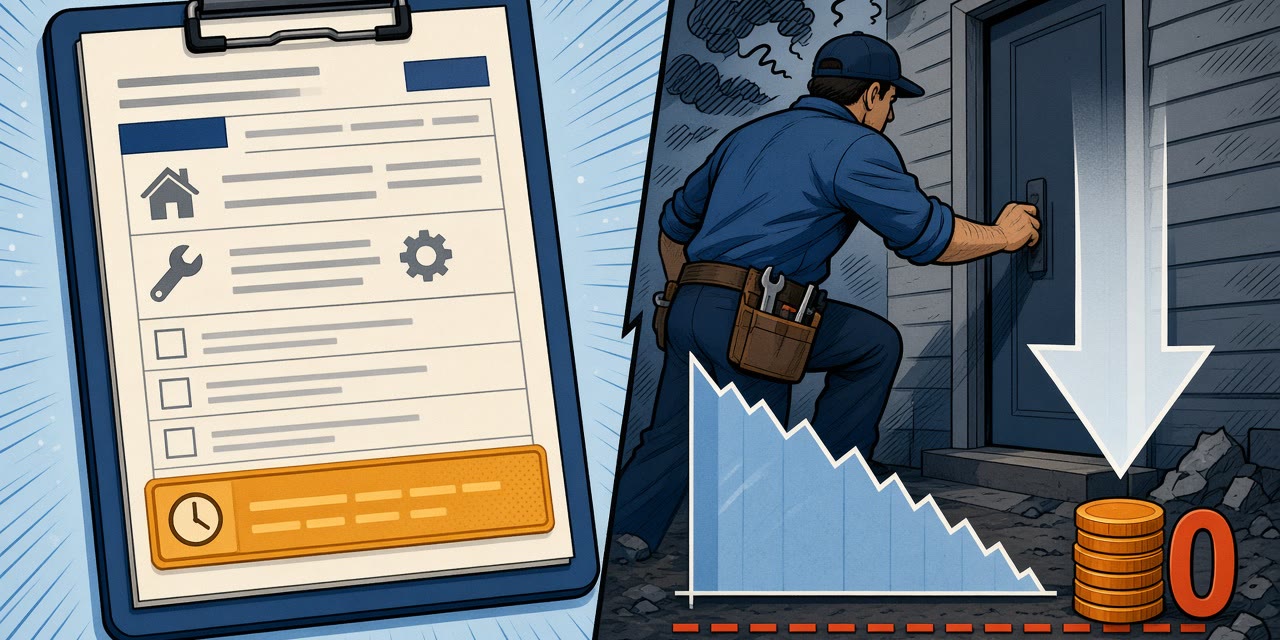
How to Build a Callback Reserve Into the Job Price
Free warranty returns still cost hours. Size a callback buffer into the original ticket so one unpaid trip does not wipe the job's margin.
Read article

How to Price After-Hours Work When Labor Costs Jump
Price a night or weekend call when labor jumps to time-and-a-half. Put the right number in the hourly field so the ticket still hits margin.
Read article

How Long Is a Contractor Quote Good For?
Set how many days your job quote stays good. When copper or materials jump, re-run the price before you eat the increase.
Read article

How to Price an HVAC Component Swap Against a Full Changeout
Price an HVAC component swap against a full changeout on the same margin. Classify the A2L path from data plates and 40 CFR 84.54, then build both tickets before you quote.
Read article

What Is a Burdened Labor Rate for Contractors?
A burdened labor rate is the fully loaded cost of one hour: wage plus payroll taxes, workers' comp, and benefits. It is not your charge-out rate. Price the job with the wage alone and those extras come out of profit. Worked example: a $28 wage becomes a $37 labor cost before overhead.
Read article

Markup vs Margin on a Real Ticket
Markup vs margin are not the same number. Walk one whole-job ticket and see why a 25% markup is a 20% margin, not 25%. Same profit dollars, different base — and a $120 miss if you treat them as interchangeable.
Read article

What Is Job Profitability for a Contractor?
Job profit is the dollars left on one job after labor, materials, overhead, drive, and tax. Job profitability is that same leftover as a percent of what the customer paid — which is how a $400 job and a $4,000 job land on the same scale. The formula line by line, plus one worked example.
Read article

How to Price an HVAC Job: Service Calls, Installs, and Refrigerant
How to price HVAC service calls and installs from job cost: diagnostic fee plus flat rate, refrigerant at invoice cost after the R-410A phaseout, equipment at cost, and warranty callbacks.
Read article

Change Order Template for Contractors: Stop Scope Creep in Writing
A word-for-word change order template with a plain-text copy, the test for when extra work becomes a change order, and short scripts for "it's just an hour," "I thought that was included," and the verbal OK on a phone call.
Read article
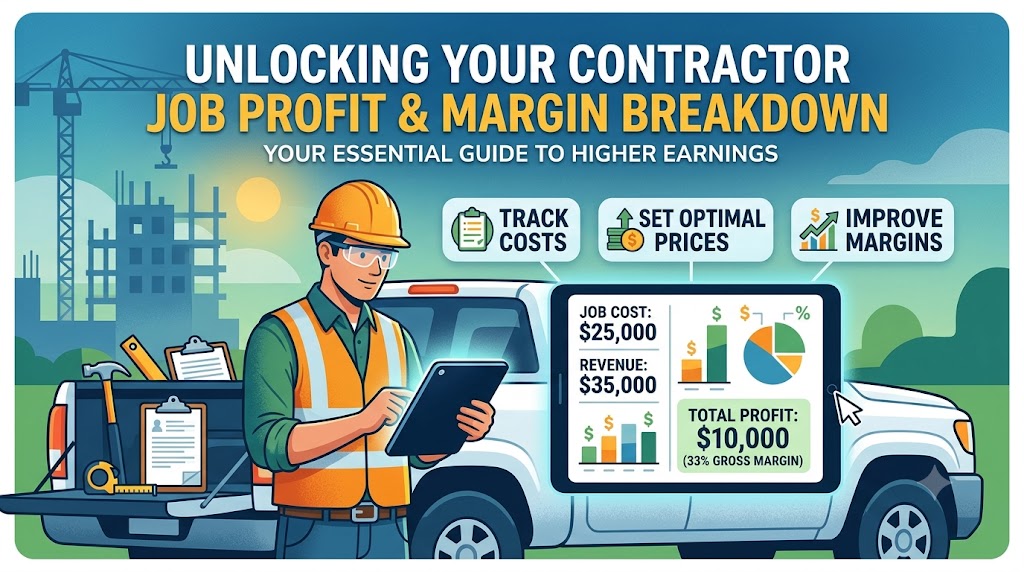
Contractor Profit Margins by Trade: Real Net Averages
Revenue tells you how busy you were. Margin tells you how well you ran the business. Trade-by-trade net margin benchmarks for 2026, and the warning signs your margins have slipped below sustainable levels.
Read article

Should Contractors Charge for Drive Time? (Yes, Here's How)
At $85/hour with 150 jobs a year, not charging for drive time costs you $12,750 annually. Here's the math, three billing methods, trade-by-trade rate benchmarks, and exactly how to explain a service call fee to customers without losing the job.
Read article
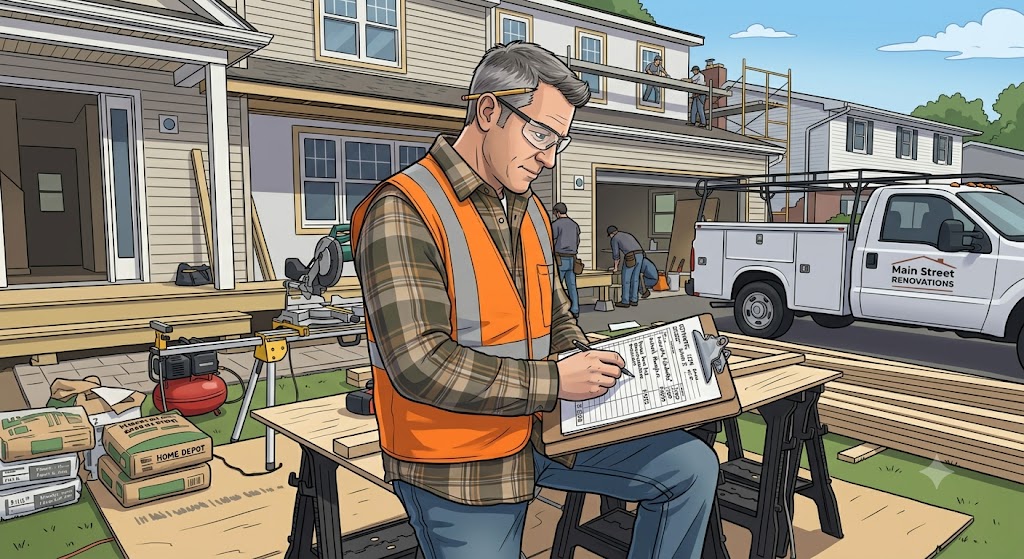
How to Write a Contractor Estimate That Actually Wins Jobs
Most contractors lose jobs before the customer ever gets to the price — because the estimate didn't inspire confidence. Here are the 9 elements every estimate must include, a word-for-word template you can adapt for any trade, and the 5 mistakes that cost you work before you swing a hammer.
Read article
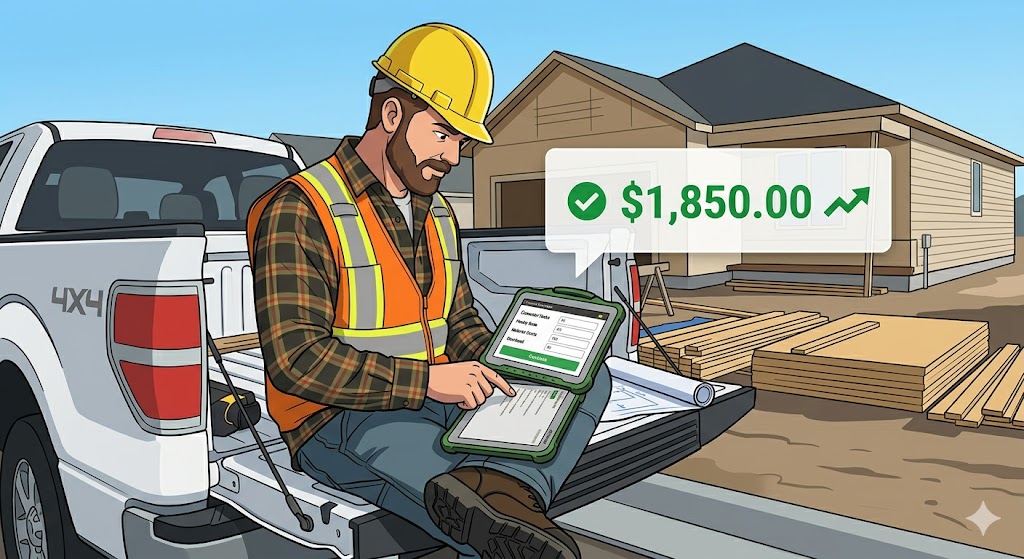
How to Use the Job Profit Calculator: A Step-by-Step Guide
A complete walkthrough of the free calculator, from selecting your trade and entering labor, materials, overhead, drive time and margin, to reading your real profit and sending a clean, customer-ready quote. Price your next job in about two minutes.
Read article

Self-Employment Tax for Contractors: What You Actually Owe
Most contractors find out about self-employment tax the hard way — at tax time, staring at a bill they didn't see coming. Here's the exact 15.3% calculation, what you actually keep after all taxes, and how to price it into every job so April stops being a crisis.
Read article

How to Calculate Your Hourly Rate as a Contractor
Most contractors pick a rate by copying what competitors charge. That's broken math. This guide walks through the 5-step formula — starting from your actual income goal and real cost of self-employment — to calculate a floor rate you can defend and build a business around.
Read article
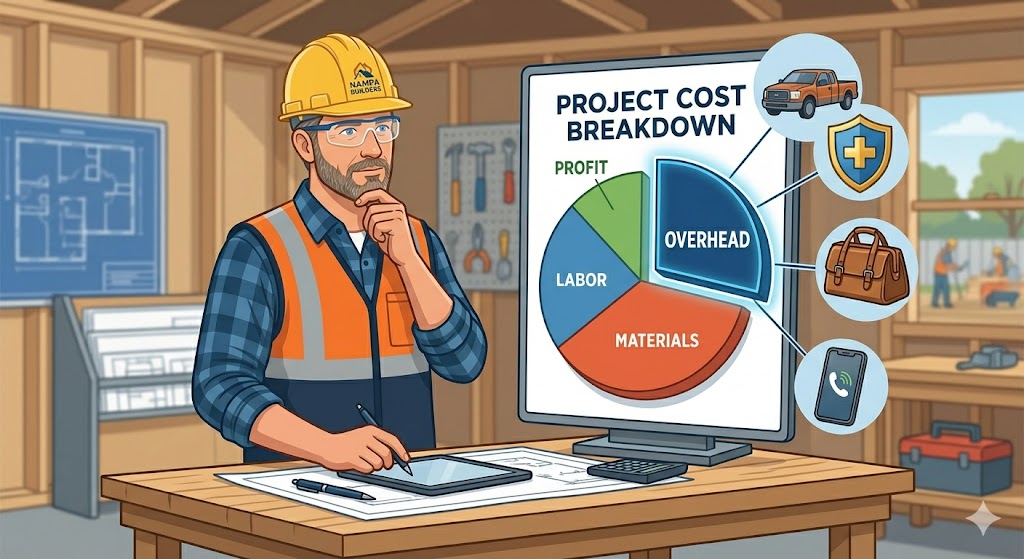
What Overhead Percentage Should a Contractor Use?
Benchmarks imply roughly 15% to 19% of direct cost for builders and specialty trade contractors. Learn what counts as overhead and how to calculate your actual rate from your own books.
Read article

What's a Normal Markup on Materials? How to Set Yours
No survey sets a standard materials markup, and published guidance varies by trade. Convert markup to margin (margin = markup ÷ (1 + markup)). Enter materials at your cost. Your margin already earns profit on materials. If you also want a materials markup, use the optional Material Markup field: it adds profit on top of your margin, and the calculator shows your effective margin.
Read article